

 Logistics & Transportation
Operations Built to Respond in Real Time
Automate the repetitive, manual work that slows logistics teams down — from replanning routes to handling disruptions — using live operational data and workflow-level automation.
Real world application
Immediate Real World Application
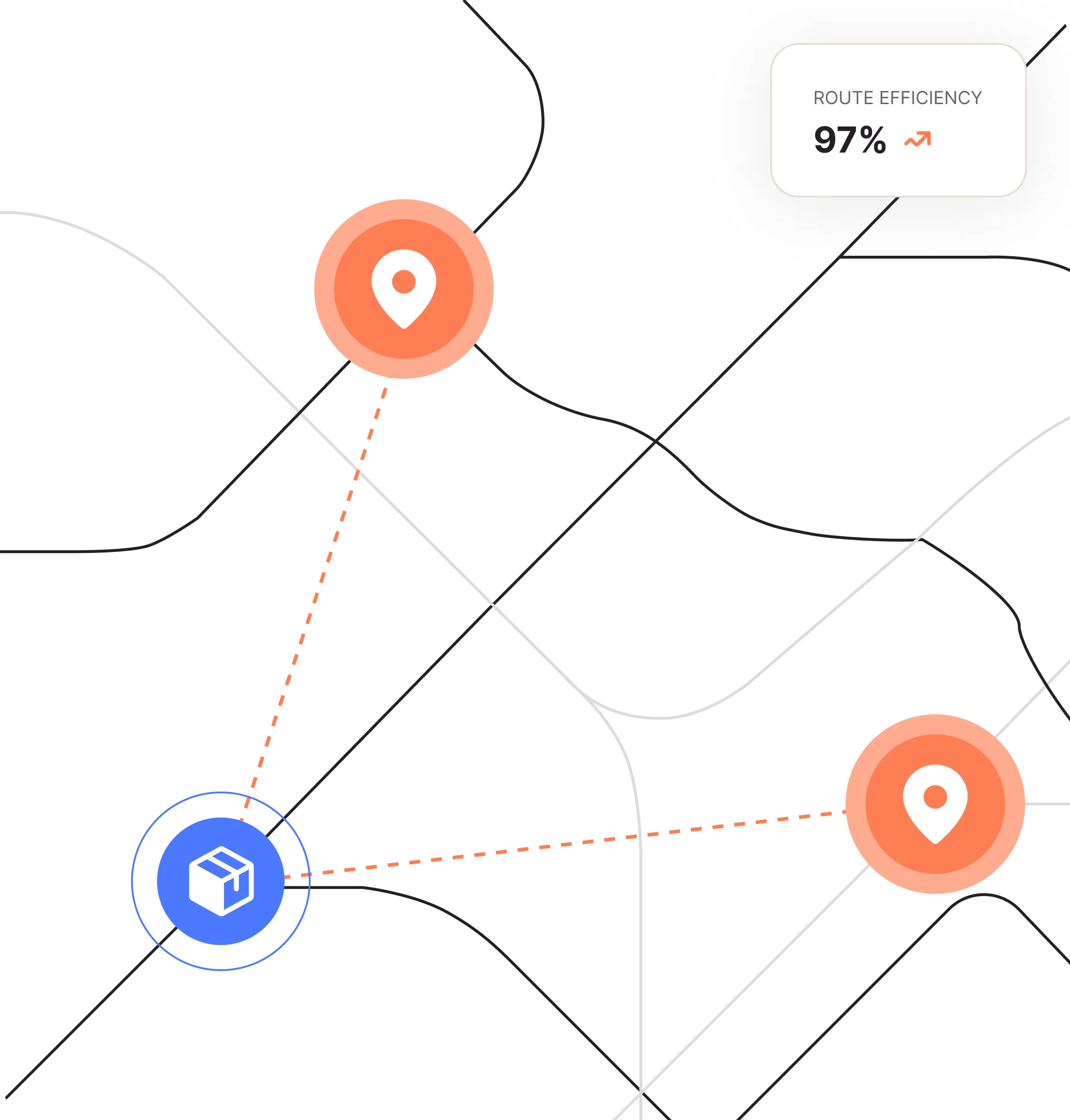
Network Optimisation & Routing
Planners manually adjust routes, modes, and inventory as conditions change — often reacting too late.
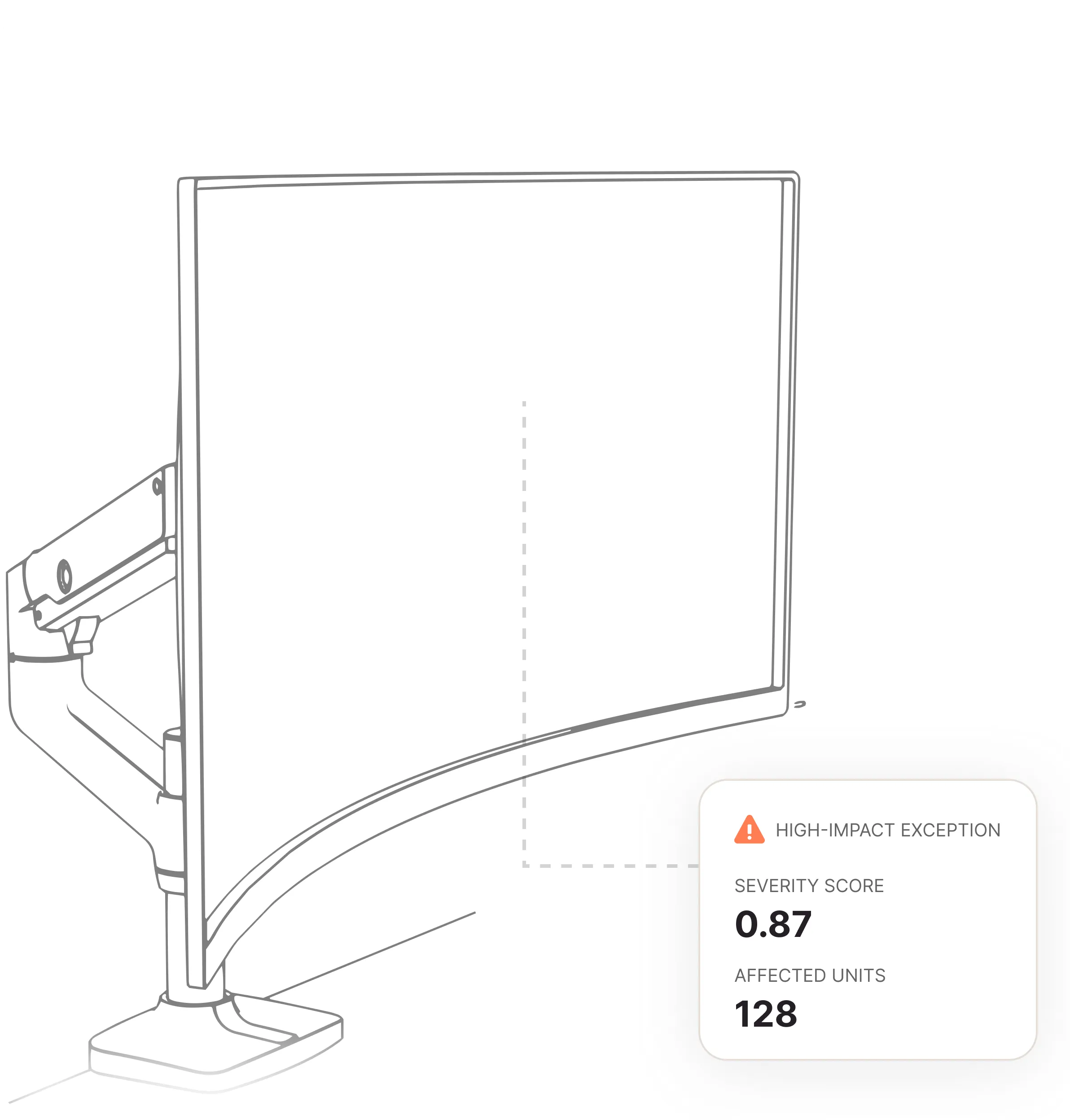
Disruption Detection & Exception Handling
Delays, missed handoffs, and capacity drops generate large volumes of alerts that require manual triage.
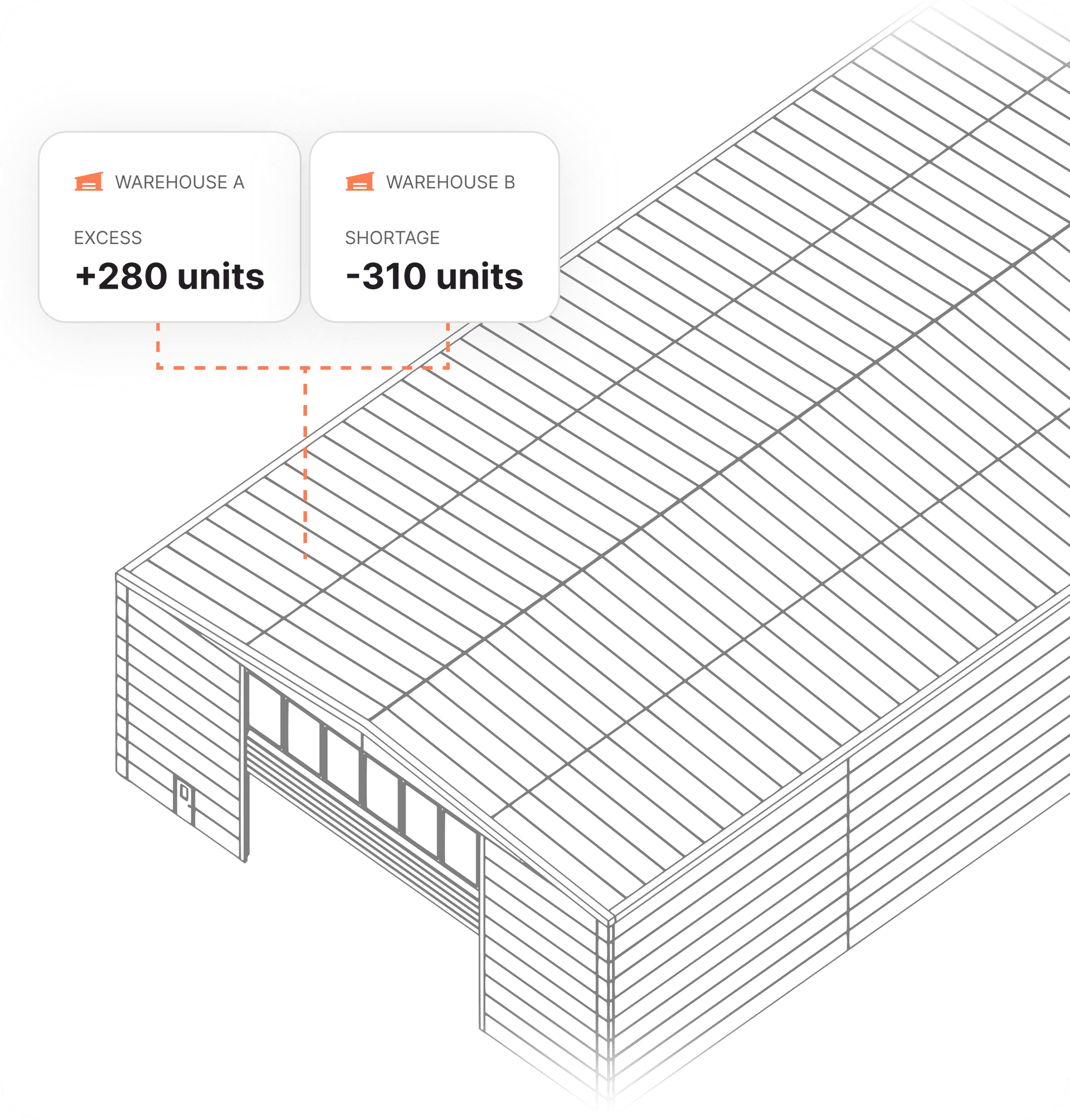
Warehouse & Inventory Rebalancing
Stock drifts away from demand, leading to excess inventory in some locations and shortages in others.
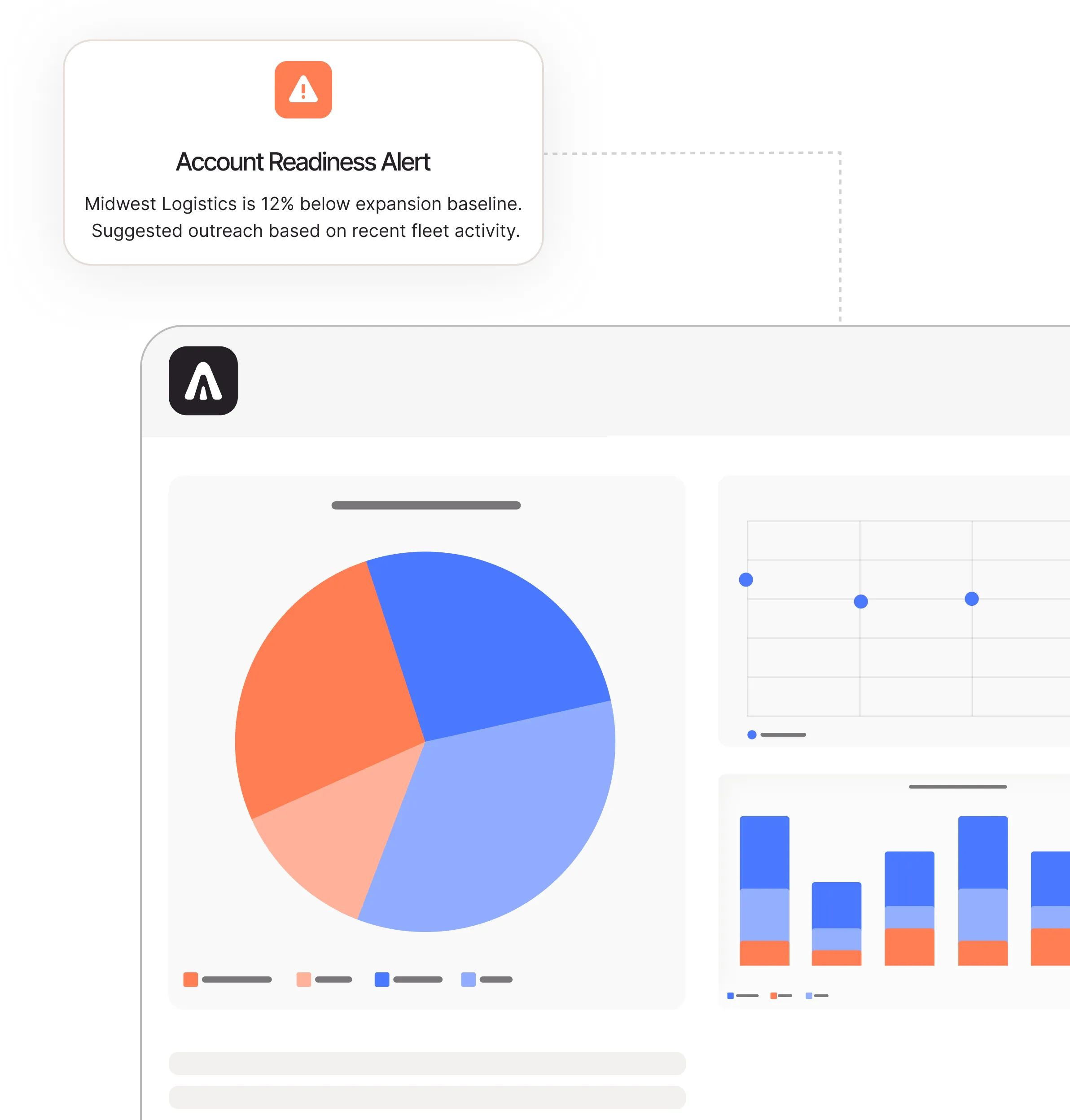
Fleet Prospecting & Sales Preparation
Sales teams spend too much time researching accounts and preparing outreach.
When Plans Change All Day, Manual Response Doesn't Scale
Logistics operations rarely go to plan. Routes shift, capacity drops, delays happen, and disruptions ripple across the network. Yet many teams still rely on static rules, spreadsheets, and manual intervention to keep things moving. Anlytic helps logistics teams move beyond monitoring and reporting by automating the operational work that happens after conditions change — so teams can respond faster, reduce cost, and spend less time firefighting.
Impact
What Logistics Teams Gain
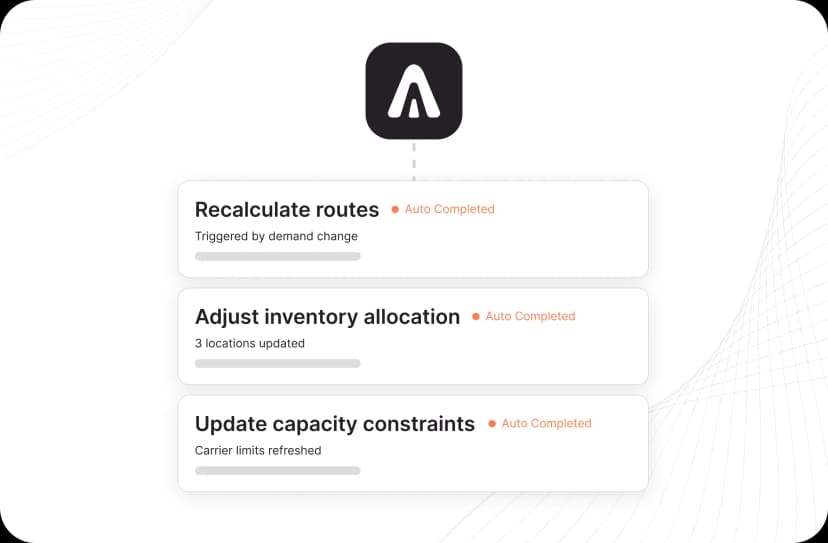
Less Manual Replanning
Reduce the time spent constantly adjusting plans as conditions change.
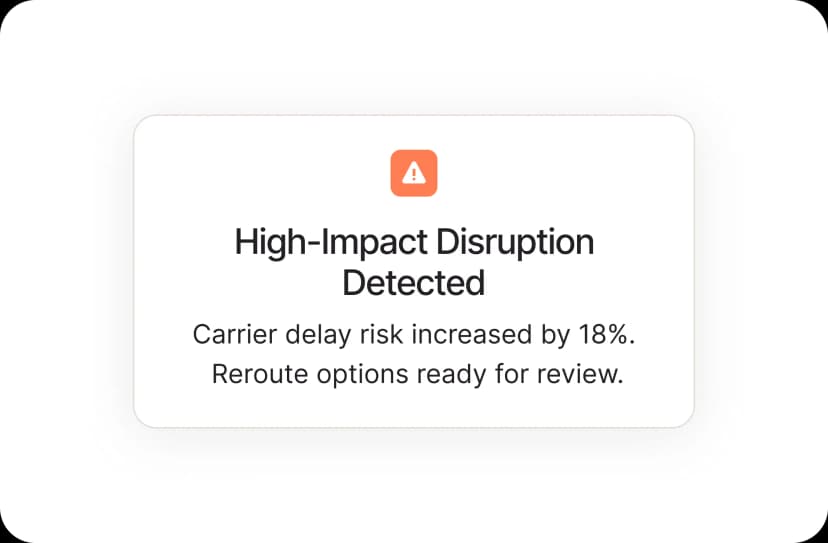
Faster Response to Disruptions
Move from reactive firefighting to proactive intervention.
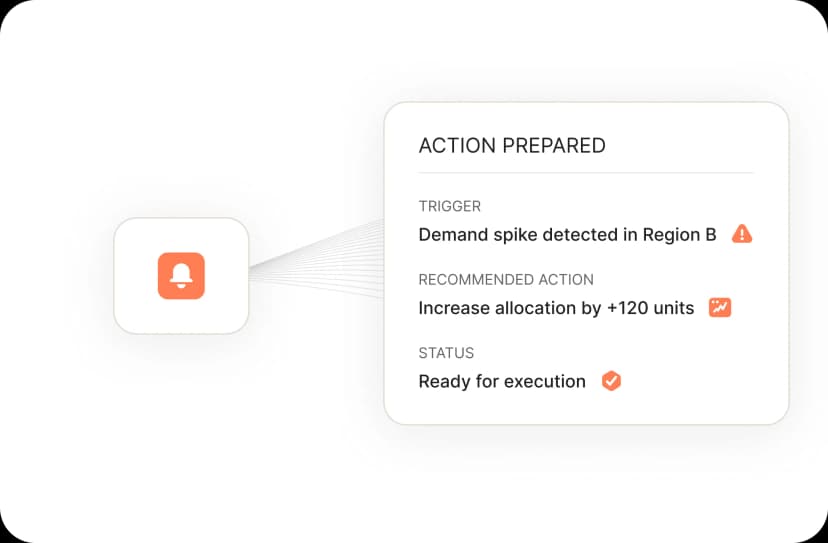
Better Use of Live Data
Turn operational signals into action, not just dashboards.
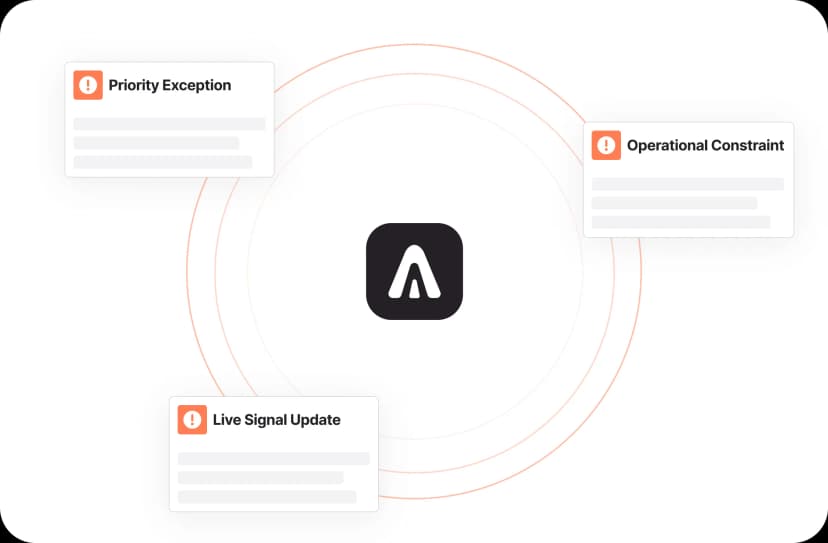
Higher Team Throughput
Free planners and operators to focus on exceptions and decisions that matter.

Get Started
Start Small. Expand Where It Works.
Teams typically start with one workflow — route replanning, exception handling, or inventory rebalancing — and expand as value becomes clear.